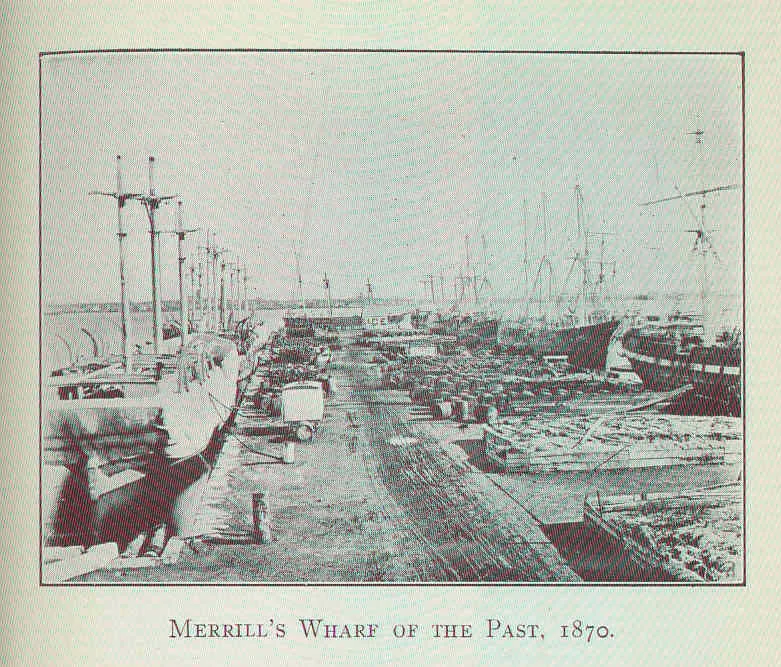
Merrill’s Wharf in New Bedford, 1870. The town got rich on whale oil, and the ships were fitted out by syndicates, the way startups are funded today. Source: Alpheus Hyatt Verrill, Public domain
In the mid-nineteenth century the richest city in America per capita was considered to be New Bedford, Massachusetts, and it grew rich on whales. From here whaling ships put out to sea and came back three, four, sometimes five years later, if they came back at all, with holds full of sperm oil, which lit homes and lubricated machines all over the world. Fitting out such a ship cost a fortune, and it was fitted out jointly. An agent-owner collected money from wealthy neighbours, hired a captain and a crew who were paid a share of the future catch, and together they all waited to see what the ocean would bring. Most often the ocean brought losses or a modest profit. Occasionally a ship came back with such a cargo that it paid for all its investors’ failed voyages for years ahead.
After sign-in
The rest of the book is for signed-in readers
Sign in with INITE or create an account. It takes a minute, and the book opens right here.