39
An Index of Money Laundering
 archive
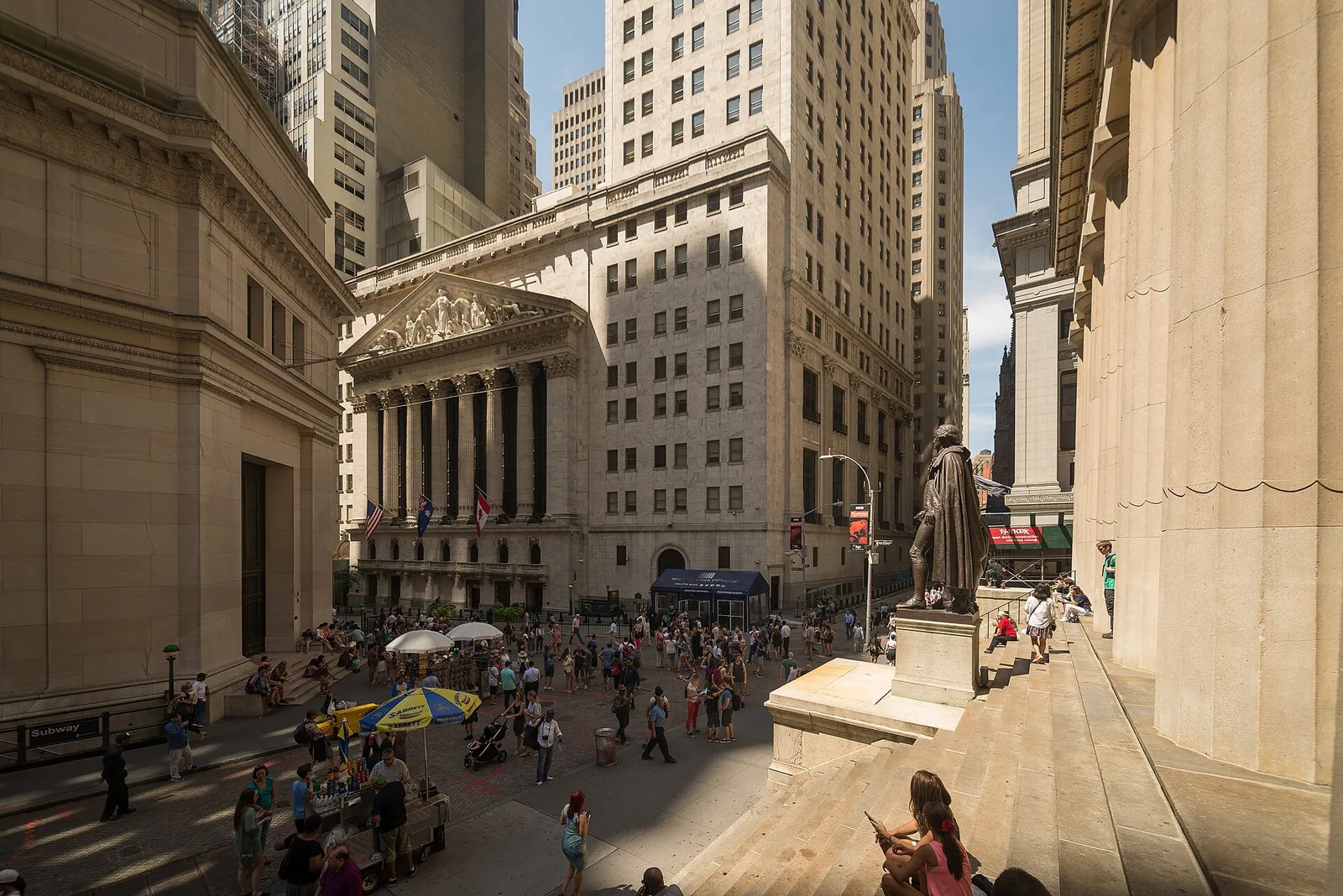
In October 2017 Larry Fink, the head of BlackRock, the world’s largest investment company, which manages more than $10 trillion of money belonging to pension funds and insurers, called bitcoin an index of money laundering. He explained that bitcoin shows how many people in the world want to hide money from the state. Six years later, in June 2023, BlackRock filed an application with the SEC for its own bitcoin exchange-traded fund. Fink explained his change of views by pointing to client requests, and in interviews began calling bitcoin digital gold.
On January 10, 2024, the SEC approved spot exchange-traded funds, ETFs, which buy real bitcoins and sell their own shares to investors. Now bitcoin could be bought from an ordinary brokerage account, next to Apple stock and bonds, without wallets, keys or crypto exchanges. BlackRock’s fund became the fastest-growing ETF in history and in less than two years gathered more than $90 billion.
Satoshi invented bitcoin so that people could pay each other without a trusted intermediary. Fifteen years later the biggest buyer of bitcoin was the largest intermediary on the planet. Its clients hold no keys and send no coins. They own shares in the fund, the fund owns a record on the blockchain, and the bitcoins themselves, for almost all American funds including BlackRock’s, are held by one company, the Coinbase exchange. Its cold wallets hold about 80 percent of all the bitcoins of American ETFs. A system built so that there would be no single point where money could be switched off gathered the largest part of itself in one place.
 illustration
On March 6, 2025, Donald Trump signed an executive order creating a Strategic Bitcoin Reserve of the United States. Bitcoiners celebrated, because for many years they had dreamed that states would start buying up bitcoin in a race, as they once bought up gold, and the price would fly to the sky. The order, however, did not oblige the state to buy a single coin. The reserve was made up of bitcoins the government already had, about 198,000, and it banned selling them.
After sign-in
The rest of the book is for signed-in readers
Sign in with INITE or create an account. It takes a minute, and the book opens right here.