41
Dollars for Those Who Have None
 archive
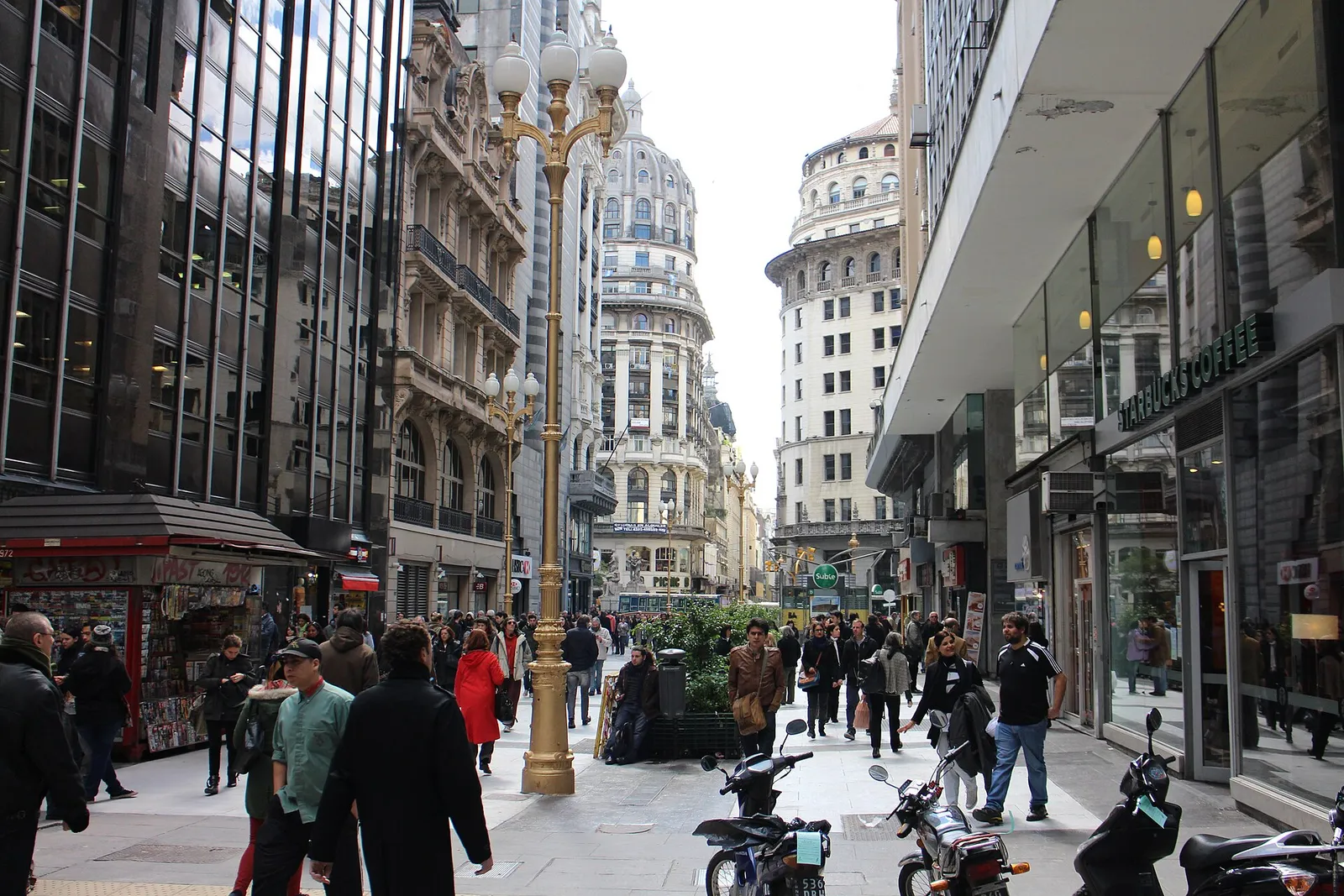
An Argentine who gets paid in pesos tries to spend his salary the same day or turn it into something else. Over the past half century the peso has lost value so often and so fast that keeping savings in it is considered in Argentina a kind of feeble-mindedness. The parents’ generation kept dollars in cash, under the mattress or in a safe-deposit box, and bought them from the money changers on Florida Street in Buenos Aires, who whisper “cambio, cambio” to passersby. The children’s generation buys dollars on the phone.
Between mid-2023 and mid-2024 more than 60 percent of all cryptocurrency transactions in Argentina were in stablecoins, digital dollars such as USDT and USDC, rather than bitcoin and other speculative coins. Argentines were doing the same thing their grandmothers did with cash dollars, only instead of a money changer and a safe-deposit box they had an app, and the bank, which in 2001 froze the deposits of the whole country, played no part in this scheme at all.
In Turkey the lira fell several-fold against the dollar in five years, and in the year from spring 2023 Turks bought about $38 billion worth of stablecoins, more than 4 percent of the country’s entire output. Relative to the size of its economy, no country in the world bought more. In Nigeria, where the naira lost more than two-thirds of its value over 2023–2024, more than $90 billion passed through cryptocurrency in a year, and stablecoins made up about 40 percent of that market. In Venezuela, where inflation in 2025 again topped 200 percent, shops in Caracas often price things in “Binance dollars,” at the USDT rate on the exchange’s peer-to-peer market, because that rate is more honest than the official one. The state oil company PDVSA, cut off from banks by American sanctions, began in 2024 to demand prepayment in USDT from oil buyers.
After sign-in
The rest of the book is for signed-in readers
Sign in with INITE or create an account. It takes a minute, and the book opens right here.