31
Million-Dollar Apes
 illustration
In June 2017 two Canadian programmers from the studio Larva Labs drew ten thousand little pixel people in the style of eighties video games. Each had its own hairdo, glasses, cigarette or hat, and each was recorded on Ethereum as a separate unique token with a number. They were called CryptoPunks and given away for free, to anyone who had a wallet and was willing to pay a tiny network fee. They were all claimed within a week.
That is how NFTs, non-fungible tokens, came about. An ordinary bitcoin cannot be told apart from any other bitcoin, while an NFT exists in a single copy and is assigned to one owner. The blockchain records that token number such-and-such belongs to such-and-such wallet, and the token itself usually contains a link to a picture stored somewhere else. Meanwhile anyone at all can download that picture, print it out and make it their avatar. What you own is a record saying that you are its owner.
 archive
Four years later such records were selling for millions. On March 11, 2021, the auction house Christie’s, selling for the first time in its 250-plus years a work that existed only in digital form, closed bidding on a piece by the American artist Mike Winkelmann, known as Beeple. “Everydays: The First 5000 Days” was a collage of pictures that Beeple had been drawing and posting online every day since 2007. The work went for $69.3 million, and in one evening Beeple became one of the three most expensive living artists in the world.
The buyer turned out to be a Singaporean crypto investor, Vignesh Sundaresan, who went by the pseudonym Metakovan. Shortly before the auction his fund, Metapurse, had bought twenty other works by Beeple and issued its own token on them, B20, a share in the collection that anyone could buy. The record price at Christie’s made the Beeple collection more valuable, and with it the B20 tokens the fund owned.
A week after the auction the founder of Twitter, Jack Dorsey, sold as an NFT his first tweet, “just setting up my twttr,” sent in 2006. An Iranian entrepreneur, Sina Estavi, paid $2.9 million for it and told journalists it was like buying the “Mona Lisa.” A year later he put the tweet up for sale, hoping to get $50 million. The best bid was $280. Some time after that, on OpenSea, the main NFT marketplace, the offers for his “Mona Lisa” were under four dollars.
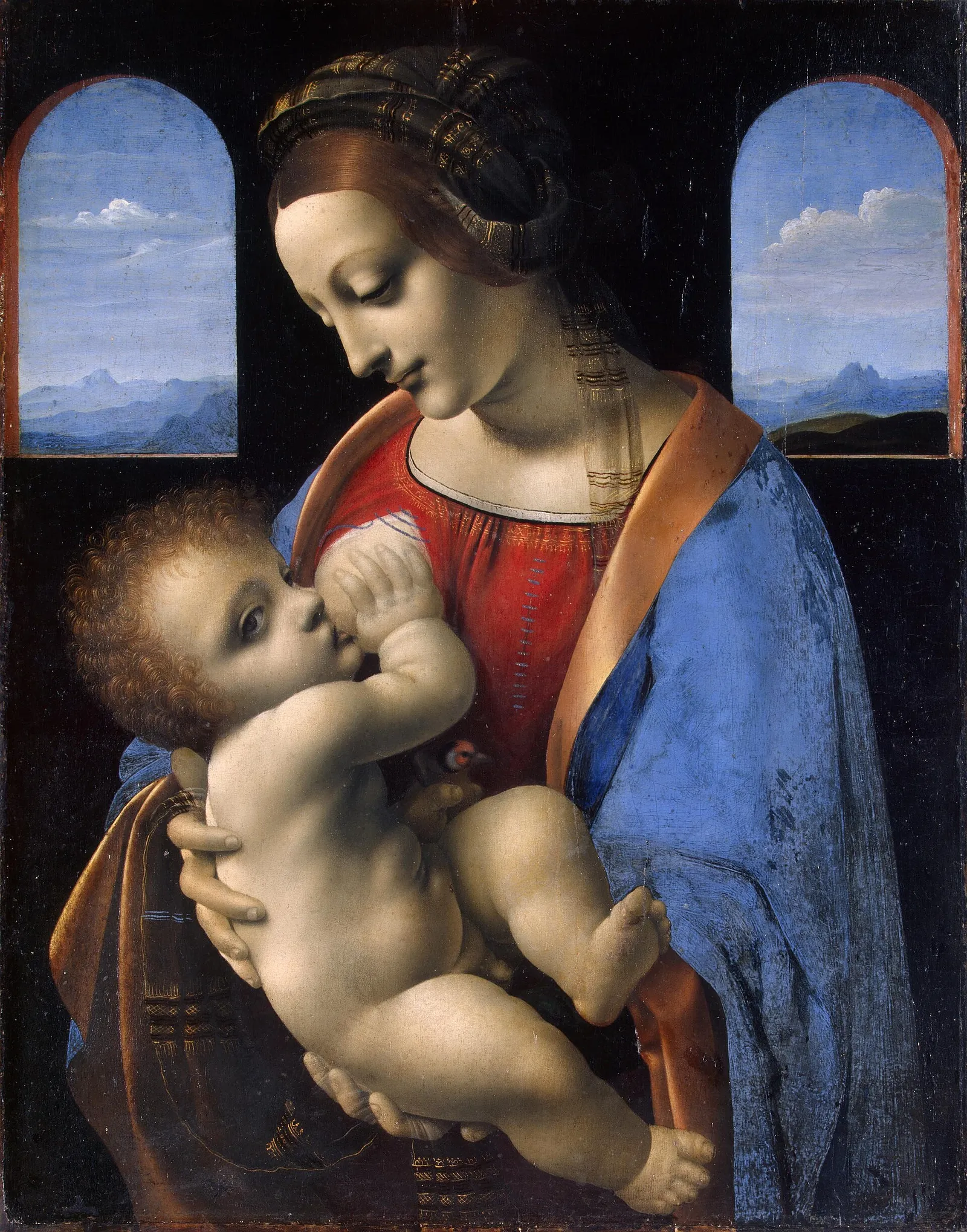
Real masterpieces got put to work too. In late summer 2021 the Hermitage, together with Binance, auctioned off digital copies of five paintings from its collection, works by Leonardo, Giorgione, Van Gogh, Monet and Kandinsky. The token of the “Litta Madonna” went for $150,000, and in all the museum took in $444,500. A state museum could not accept cryptocurrency directly, and the money, as the press reported, reached it through intermediaries. The “Madonna” itself stayed hanging in its gallery, and you can still see it for the price of an admission ticket.
After sign-in
The rest of the book is for signed-in readers
Sign in with INITE or create an account. It takes a minute, and the book opens right here.