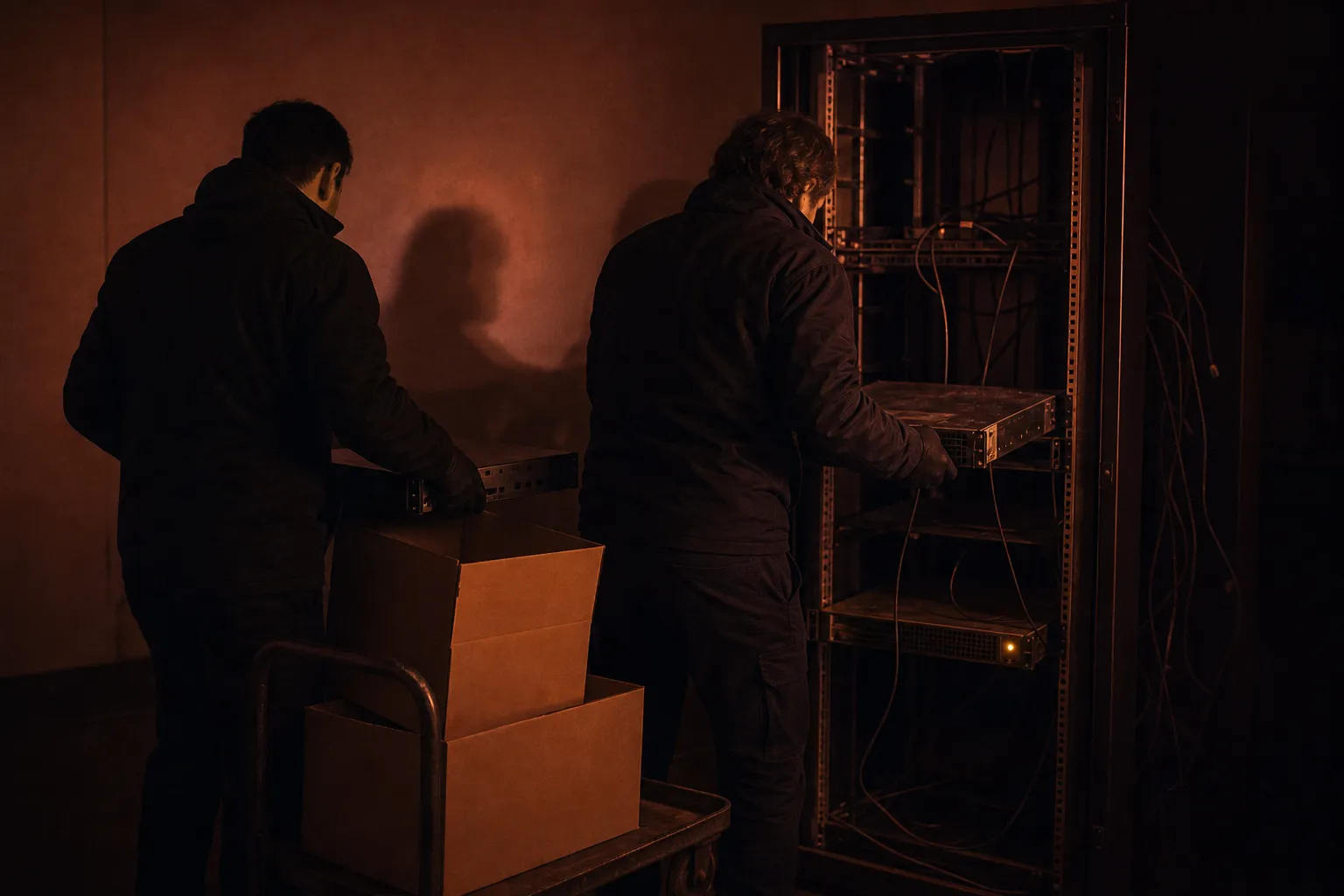
Nobody really knew who owned BTC-e, but its servers were real enough. In the summer of 2017 they were seized, with the clients’ money inside.
In 2011 another exchange appeared on the internet: BTC-e. It spoke Russian and English, accepted rubles, dollars and practically any kind of electronic money, and asked its clients almost nothing. No passport was needed to register. Who owned the exchange, where it was registered and who was standing at the till nobody really knew, and for many clients that was exactly its main attraction.
For a Russian-speaking trader in the early 2010s, BTC-e was what Mt.Gox was for an American one, and it outlived Mt.Gox by three years. It kept working until they came for it.
After sign-in
The rest of the book is for signed-in readers
Sign in with INITE or create an account. It takes a minute, and the book opens right here.