10
A One-Megabyte Fence
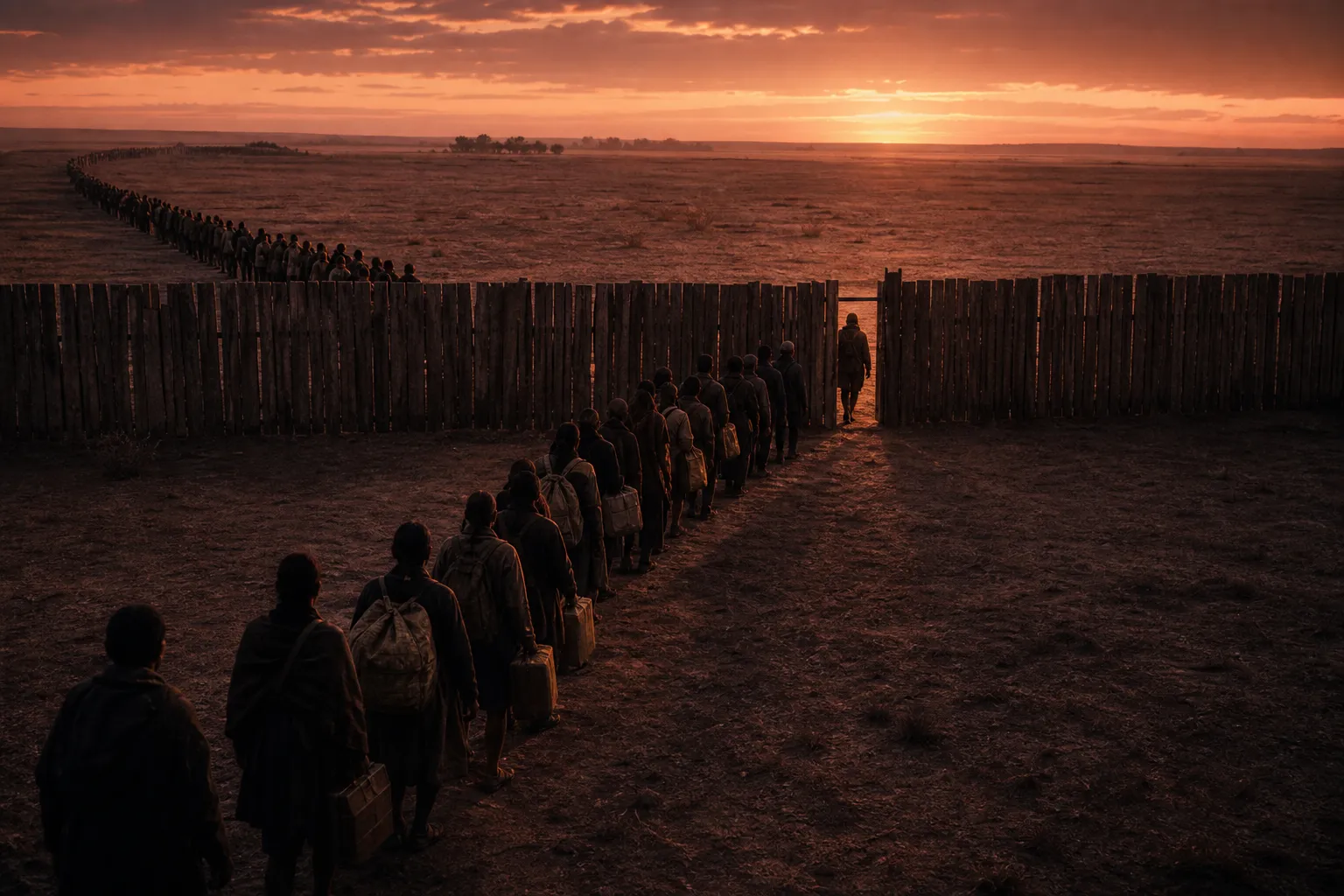 illustration
In the summer of 2010 Satoshi put up a fence in his world and told nobody about it. A single line appeared in the program, under which a block, the batch of records the network accepts once every ten minutes, could not be larger than one megabyte. The fence was there to protect against spam, against some joker who might clog the small network with junk transactions. When someone on the forum asked whether the fence would become a problem, Satoshi replied that it could be moved back gradually once we got close to the limit. A few months later he disappeared, but the fence stayed, and for the next seven years the people who called themselves his followers tried to work out whether they were allowed to touch it.
A megabyte was enough for about seven transactions per second for the whole planet. Visa in those same years handled thousands. While bitcoin was used by a few thousand enthusiasts, the difference was theoretical. By 2015 the blocks began to fill up. Transactions waited in the queue for hours, and to jump ahead you had to pay the miners extra.
The community split, and the split was almost theological. One side, the supporters of big blocks, opened the whitepaper and jabbed a finger at the title, where it said in black and white “electronic cash.” You pay for coffee with cash, so the block has to be made bigger, end of story. The other side, the supporters of small blocks, replied that big blocks would make a full copy of the ledger too heavy for a home computer, only data centers would be able to store it, and a network created against centralization would itself become centralized. Coffee, in their view, should be carried off to layers built on top of bitcoin, while bitcoin itself should remain slow, heavy and reliable.
After sign-in
The rest of the book is for signed-in readers
Sign in with INITE or create an account. It takes a minute, and the book opens right here.