22
CRM Is No Longer CRM
 archive
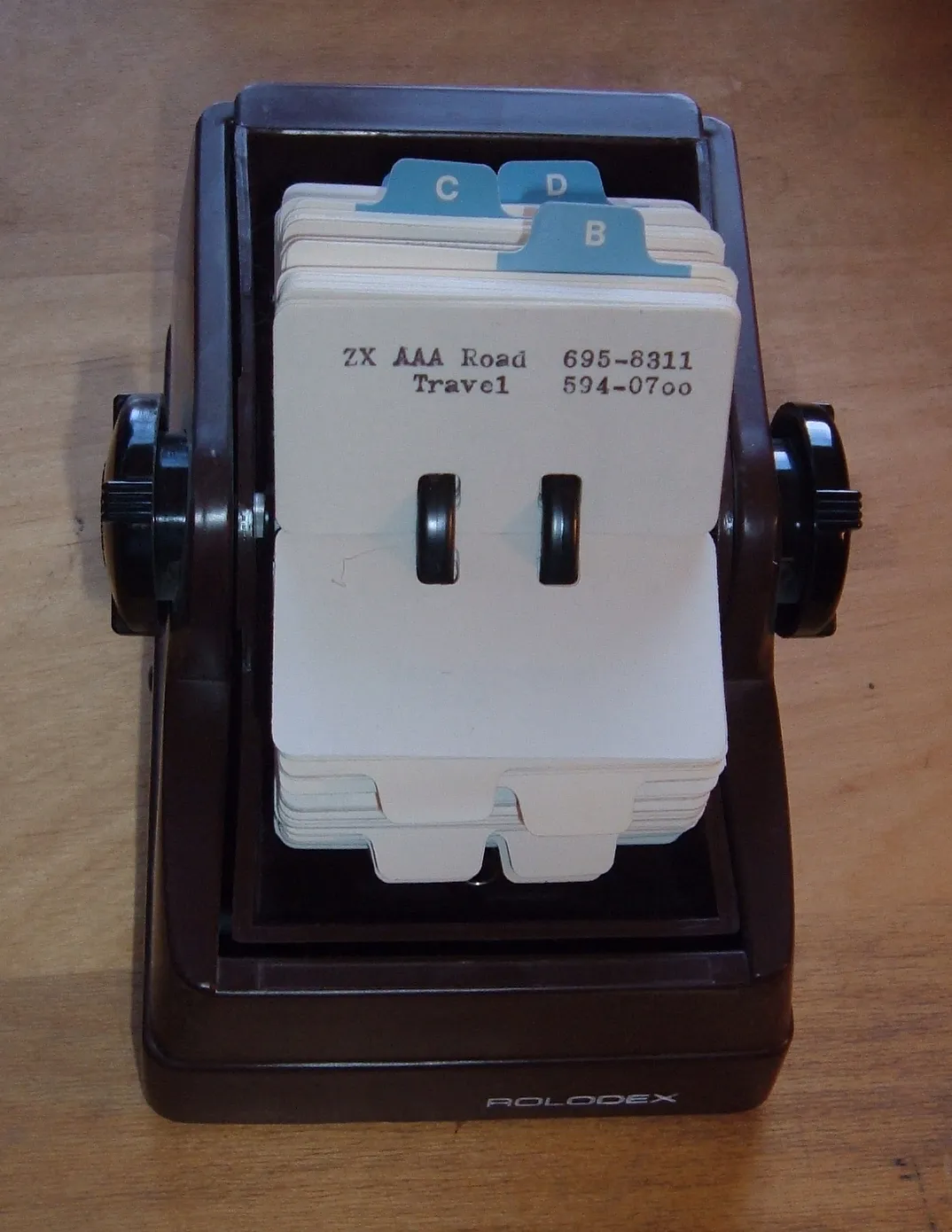
In the fifties the New York inventor Arnold Neustadter came up with a rotating card file that he named the Rolodex, from “rolling” and “index.” Slotted cards were fitted onto a metal spindle, each bearing a name, a phone number, an address and a few lines about the person, and a good salesman could spin the drum to the right customer in a couple of seconds. For thirty years or so the Rolodex stood on the desk of everyone who sold anything, and the word became a byword: an influential man was said to have a fat Rolodex.
Everything later called CRM, customer relationship management, was essentially a Rolodex that had learned to count. In 1987 the program ACT! appeared, a salesman’s address book on a personal computer. In 1993 Tom Siebel founded Siebel Systems and sold huge corporations systems that took years to implement. In 1999 Salesforce appeared, with the word “software” crossed out, and the Rolodex moved into the browser. But all of it was built the same way: somewhere a customer card is stored, and people write into it by hand what is happening with that customer.
 illustration
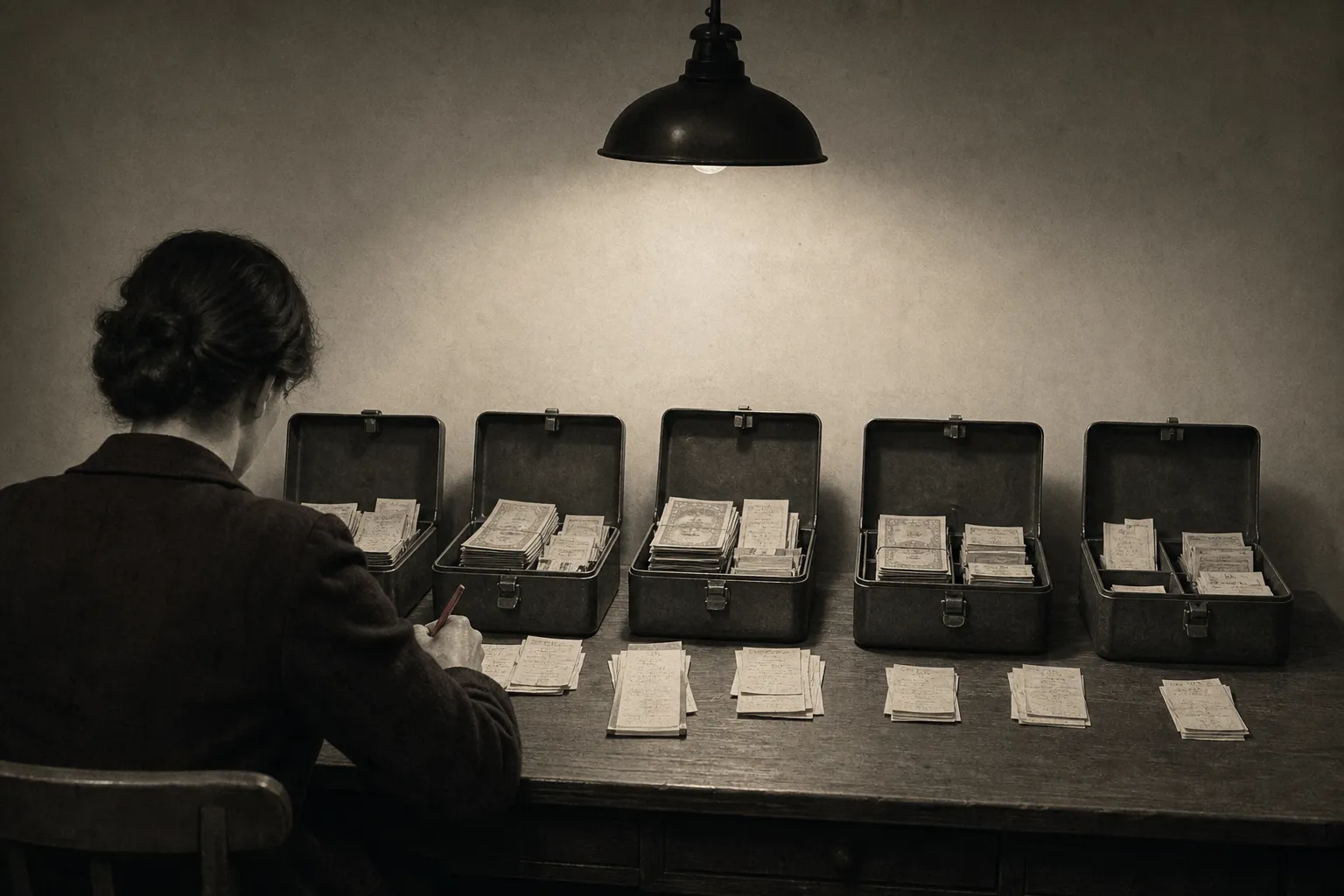
The trouble began when there came to be several cards. Today an ordinary company’s information about one and the same customer is scattered across half a dozen places. The website knows which pages the person looked at and what he wrote in a form. The agent on the website, if there is one, knows what it talked about with him. The CRM knows what stage the deal is at. The mail knows what was actually agreed. A data-enrichment service knows where the person works and how many employees his company has. The marketing-automation system knows which emails have already been sent to him and which he opened. And each of these systems is sure that it is the one holding the truth about the customer.
After sign-in
The rest of the book is for signed-in readers
Sign in with INITE or create an account. It takes a minute, and the book opens right here.