17
A Goal Instead of an Instruction
 archive
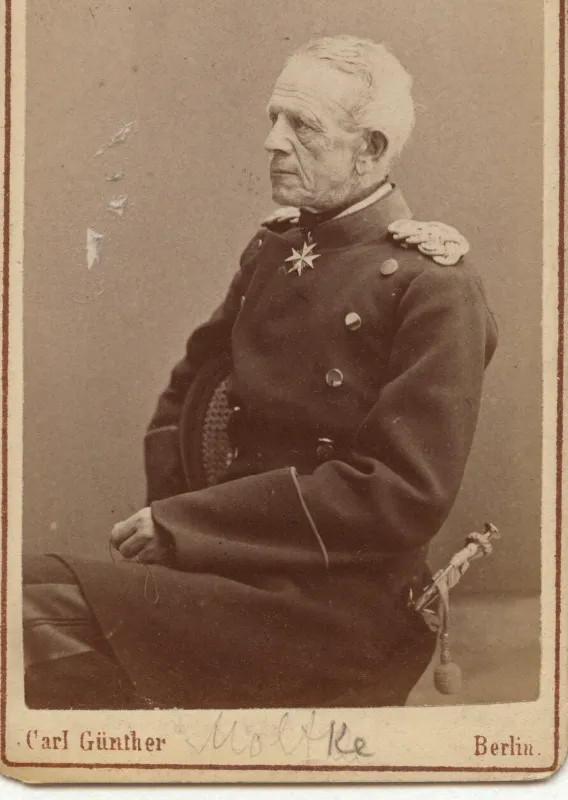
In 1871 Helmuth von Moltke, fresh from defeating the French, wrote a short essay on strategy, and one sentence from it has wandered through every general staff in the world ever since: no plan of operations extends with any certainty beyond the first contact with the main hostile force. After the first battle the situation changes so much that no foresight can see further.
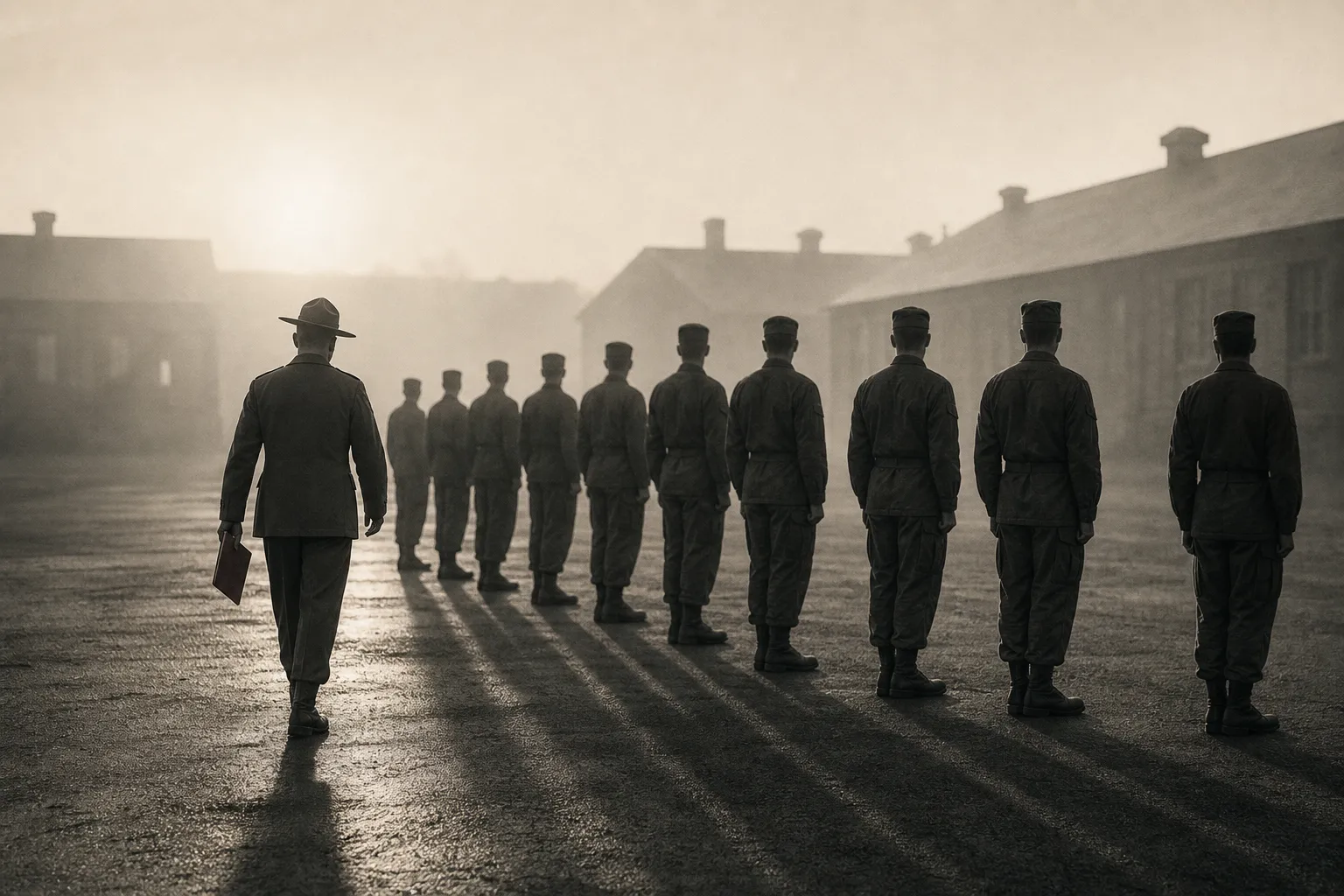
The Prussians drew a practical conclusion from this and began to command differently. An officer stopped spelling out every movement for his subordinates and began to communicate his intent: what had to be achieved, why, and within what limits. How exactly was decided by whoever stood closer to the field and saw what could not be seen from headquarters. When the situation changed, and it always did, a lieutenant, without waiting for a new order, turned in such a way that the intent would be carried out anyway. This method was later called Auftragstaktik, mission command, and the world’s armies teach it to this day, with varying success.
This transition is happening with agents now.
 illustration
Vibe coding as Karpathy describes it is commanding a company over the radio, telling each soldier separately where to put his foot: change the colour, add a button, fix this error. The model carries it out, stops and waits for the next command, and the whole cycle is driven by the person who dreams up those commands.
An agent is given its task differently. The person describes what state the system should be in when everything is finished, and the agent runs the plan, the changes, the checks and the corrections itself, round after round, until it either achieves its goal or hits a line it has been told not to cross. The difference looks modest, but in the first case the person is responsible for every step and in the second only for the result, and the steps go to whoever is closer to the battlefield.
After sign-in
The rest of the book is for signed-in readers
Sign in with INITE or create an account. It takes a minute, and the book opens right here.