23
The Relationship Runtime
 illustration
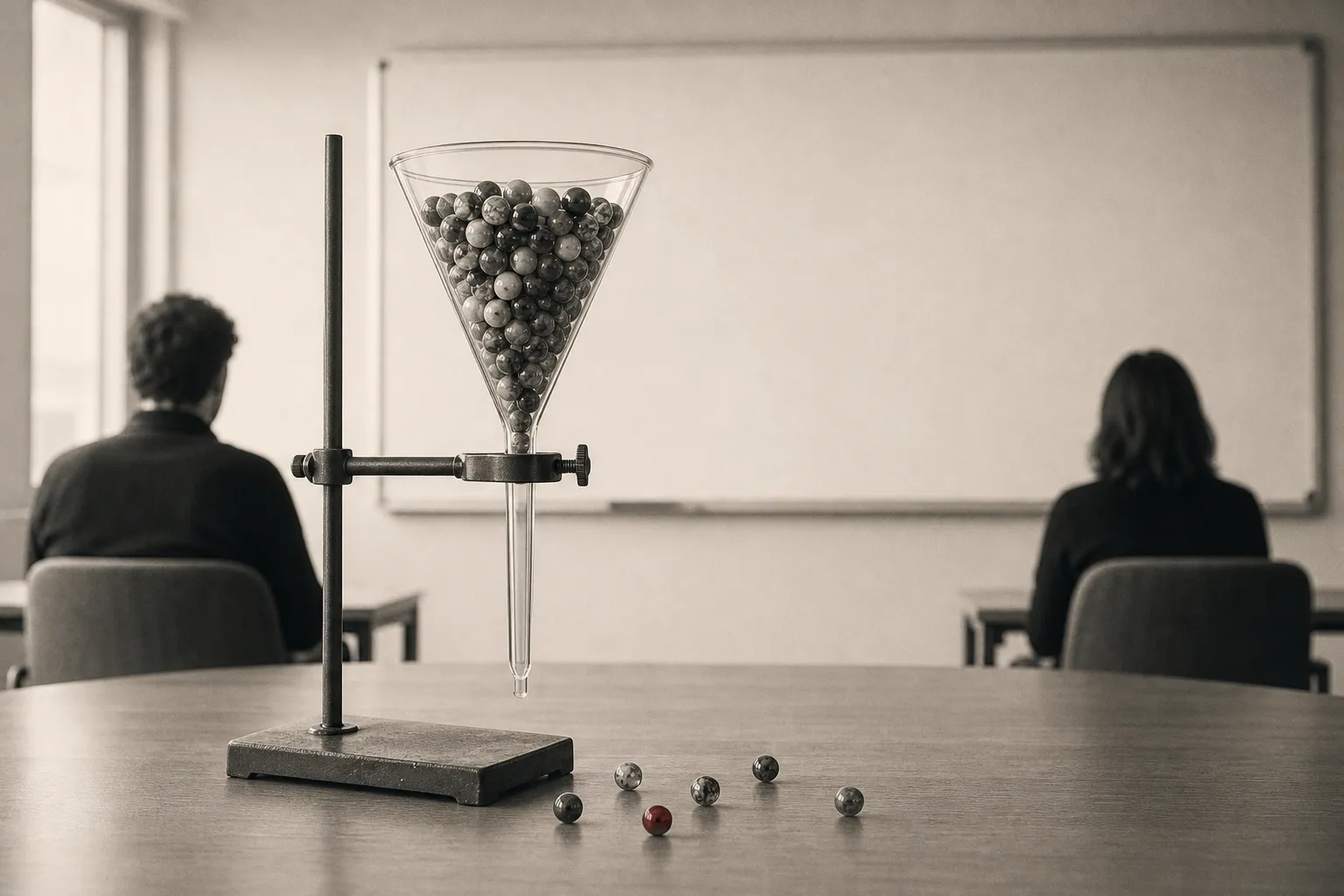
In 1898 the American advertising man Elias St. Elmo Lewis described how, in his view, a person becomes a buyer. First the advertisement must attract his attention, then arouse interest, then desire, and only then does he take action. The four English words gave the model its name, AIDA, and its picture, a funnel narrowing from attention to purchase, has hung in every sales department in the world ever since. Over a hundred-odd years the funnel has acquired details: it has grown stages with names like “lead,” “marketing-qualified lead,” “sales-qualified lead,” “opportunity,” and every CRM from the previous chapter diligently sorts customers into these cells.
The funnel turned out to be so convenient that people long ago stopped seeing it as a picture. Managers speak of it as reality: the customer has moved from one stage to another, the customer is stuck, the customer needs a push. And yet no living person has ever walked down a funnel. He came, went away, came back six months later, consulted his wife, changed jobs, forgot, remembered, bought, returned, and bought again. The funnel is a projection of this life onto a flat picture, convenient for a report, and like any projection it has distortions.
 archive
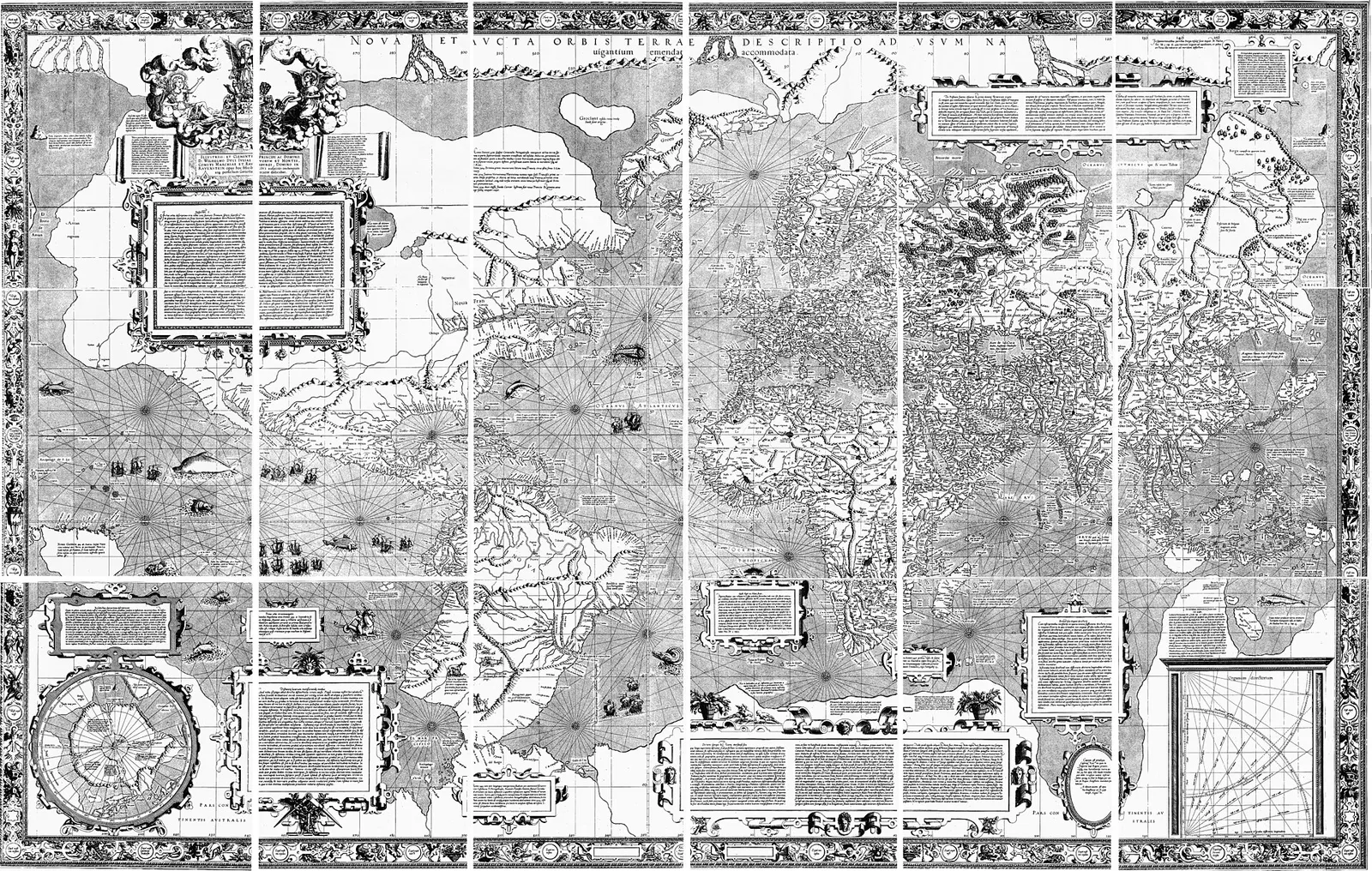
Projections are familiar to anyone who has seen a school map of the world. In 1569 the Flemish cartographer Gerardus Mercator devised a way of unrolling the globe of the Earth onto a flat sheet so that sailors could plot a course as a straight line, and his projection proved so convenient that it still hangs in geography classrooms. The price of convenience is that near the poles everything swells: on such a map Greenland looks the size of Africa, although in reality it is about fourteen times smaller. Nobody considers Mercator a cheat; his projection solves its own problem in good faith. The problems begin when it is mistaken for the globe.
Tras entrar
El resto del libro es para quien ha entrado
Entra con INITE o crea una cuenta. Lleva un minuto, y el libro se abre aquí mismo.